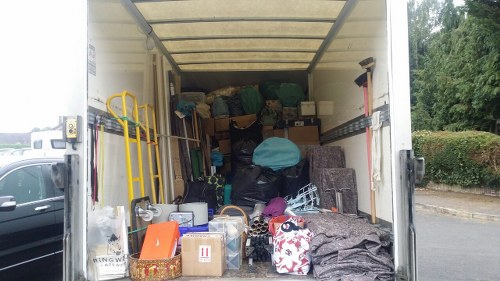
Health and Safety Policy for Skip Hire Hanwell
Scope: This Health and Safety Policy sets out the standards, responsibilities and procedures for safe operation of skip hire and rubbish removal services. It applies to all employees, contractors and temporary staff engaged in skip delivery, collection, waste collection and site-based handling activities carried out by the skip hire company. The policy is intended to ensure compliance with statutory obligations and to promote a safe working environment for everyone involved in waste management operations.

Policy Statement
We are committed to preventing work-related injury and ill health and to continually improving our health and safety performance. The company acknowledges that safe practice in skip hire, waste disposal and rubbish clearance is integral to its business. Managers and supervisors will ensure that risk assessments are current and that control measures are implemented, monitored and reviewed. All personnel must cooperate with safety arrangements and follow safe systems of work.
Responsibilities
Management responsibilities: Senior management shall provide leadership, allocate adequate resources and establish documented procedures for safe skip operations, vehicle movement, manual handling and hazardous materials segregation. Management will appoint competent persons to oversee fleet safety, site safety and incident investigation.
Employee and contractor duties
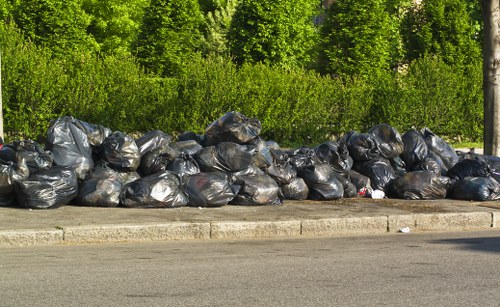
All staff and contractors engaged in skip hire services and rubbish clearance must follow instructions, attend required training, use provided personal protective equipment and report hazards, near misses and accidents without delay. Workers must not undertake tasks beyond their competence. Supervisors must ensure that temporary and agency staff are briefed on the specific risks of the job and site.
Risk Assessment and Control
Comprehensive risk assessments will identify hazards associated with skip placement, loading, transport and disposal. Controls will follow a hierarchy: eliminate, substitute, engineer, adopt safe systems and use PPE. Typical hazards include manual handling injuries, vehicle collisions, falling objects, exposure to hazardous waste and slips/trips. The company will maintain written safe-working procedures for loading skips, securing loads during transport and for operating around public highways.
Specific controls include:
- Pre-use vehicle checks and daily walk-round inspections.
- Clear exclusion zones during skip placement and retrieval.
- Segregation and labelling of hazardous or prohibited wastes.
- Use of mechanical aids, team lifting and safe lifting techniques.
- Effective communication between drivers, banksmen and site staff.
Training and Competence
The company will ensure that all personnel have the necessary training, licences and supervision to perform their duties safely. Training covers vehicle safety, load restraint, hazardous waste awareness, manual handling, fire safety and first aid. Records of training and competence checks will be retained and reviewed periodically.
Induction: New starters and contractors must complete an induction specific to skip hire, waste collection and rubbish removal operations prior to undertaking unsupervised work.
Personal Protective Equipment and Vehicles
Appropriate PPE such as high visibility clothing, safety footwear, gloves, eye protection and respiratory protection where required will be provided and maintained. Supervisors must enforce correct use of PPE. Vehicles used for skip transport must be maintained in a roadworthy condition, fitted with secure load restraint systems and equipped with appropriate signage and lighting to manage risks during collections and deliveries.
Vehicle operations: Drivers and loaders shall follow defensive driving principles, comply with weight limits and ensure loads are covered and secured to prevent spillage or pollution during transit.
Handling Hazardous and Prohibited Waste
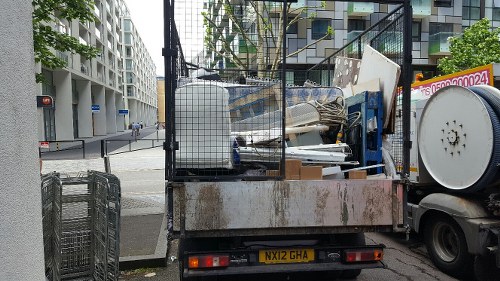
Some materials are hazardous or prohibited from skip loading. The company will provide clear guidance on waste types that cannot be accepted, and will manage segregation, consignment and disposal of hazardous materials in line with regulatory requirements. Staff must report suspected hazardous waste and isolate the material until a safe course of action is determined by a competent person.
Emergency procedures: The policy includes procedures for incidents such as spills, fires, major injuries and vehicle collisions. Emergency response plans will identify roles, communications, immediate actions and arrangements for liaison with emergency services and regulatory bodies. Spill kits and fire-fighting equipment will be available where appropriate and staff trained in their use.
Monitoring, Reporting and Continuous Improvement
Health and safety performance will be monitored through regular inspections, audits and reviews of accident and near-miss records. The company will investigate incidents to identify root causes and implement corrective actions. Lessons learned will be communicated and incorporated into training and procedures to reduce recurrence.
Records and legal compliance: The business will maintain records of risk assessments, training, vehicle maintenance, inspections and statutory compliance documentation. The company seeks to meet or exceed legal standards applicable to skip hire, rubbish collection and waste management activities.
Review and Policy Acceptance
This Health and Safety Policy will be reviewed at least annually or following significant change, incident or regulatory update. Management and staff are expected to support and comply with this policy. Acceptance of policy duties forms part of employment and contractor arrangements. The company emphasises a proactive safety culture where prevention, responsibility and cooperation drive safe delivery of skip hire and waste services.
Signed on behalf of the company: Senior management shall ensure the effective implementation of this policy and maintain oversight to protect employees, contractors, customers and the public.